Compare Local Contractors for Residential Powerwashing Services
Compare local contractors for residential powerwashing to define scope, verify experience, and set clear expectations for a successful project.
Residential powerwashing services typically include cleaning exterior surfaces such as siding, decks, driveways, walkways, and patios. These tasks involve removing dirt, mold, mildew, algae, and other buildup that can accumulate over time, helping to restore the appearance and integrity of outdoor surfaces. Powerwashing can also prepare surfaces for painting or sealing projects, making it a versatile option for property upkeep. When planning a powerwashing project, understanding the specific areas that need attention and the types of cleaning methods appropriate for each surface can help ensure the work is thorough and effective.
Defining the scope of a powerwashing job is essential to achieving satisfactory results. Property owners should consider which areas require cleaning, the level of dirt or staining present, and any surface sensitivities that might influence the cleaning approach. Clear communication of these details in writing helps prevent misunderstandings and ensures that service providers are aligned on expectations. A well-defined scope also allows property owners to evaluate whether a contractor’s expertise matches the specific needs of the project, reducing the risk of subpar work or overlooked surfaces.
When comparing local contractors for residential powerwashing, it’s important to consider their experience with similar projects and their understanding of different surfaces and cleaning techniques. Property owners can review credentials such as references or previous work examples, and verify that contractors follow industry best practices. Asking detailed questions about methods and materials used can provide insight into their professionalism and attention to detail. By assessing how each service provider approaches scope definition and communication, property owners can make informed decisions and select a contractor who is capable of meeting their specific cleaning needs.
Compare local contractors by outlining project priorities, verifying experience, and clearly defining scope and expectations in writing.
- Verify Experience - Ensure contractors have a proven track record with residential powerwashing projects.
- Define Scope Clearly - Communicate specific cleaning areas and expectations to avoid misunderstandings.
- Compare Local Contractors - Review multiple service providers to assess expertise and service offerings.
- Document Details in Writing - Get all project scope, expectations, and agreements documented before work begins.
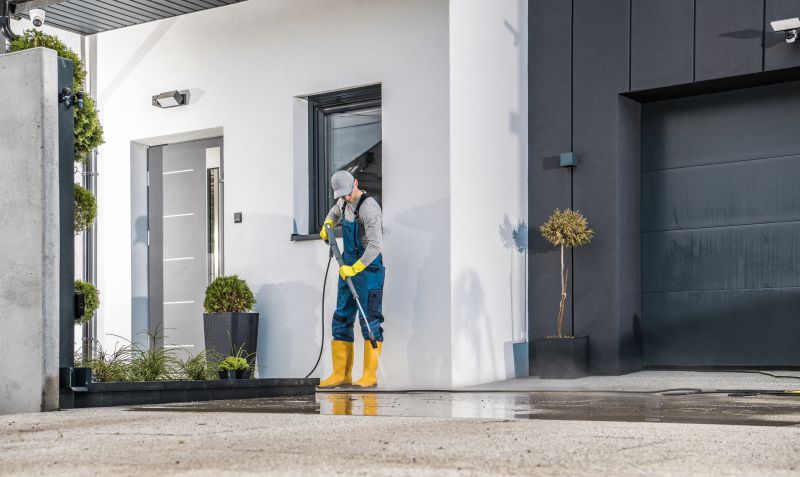
Clearly describe your residential powerwashing project to help local contractors understand your needs and compare their services effectively.
- Verify experience and references for residential powerwashing projects to ensure quality work.
- Define the scope of work clearly in writing, including surfaces to be cleaned and cleaning methods.
- Compare multiple service providers to assess their expertise and approach to residential powerwashing.
- Ensure contractors have appropriate insurance coverage to protect against potential damages or accidents.
- Discuss and document any surface preparation, protective measures, and post-cleaning care required.
- Check that service providers follow industry best practices and use suitable equipment for residential surfaces.
Compare local contractors, clarify project scope, verify experience, and document expectations to ensure a successful powerwashing project.
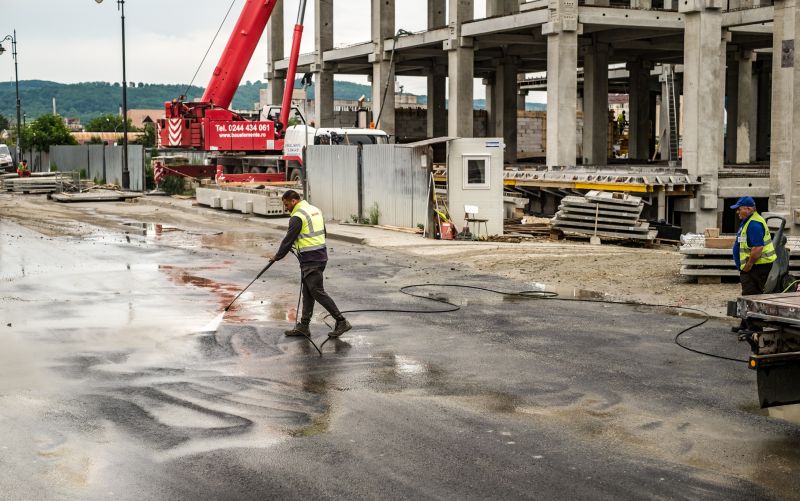
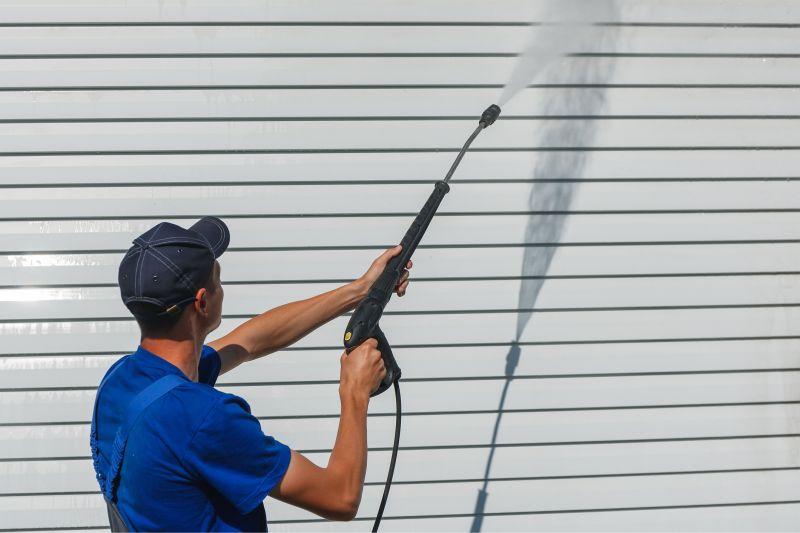
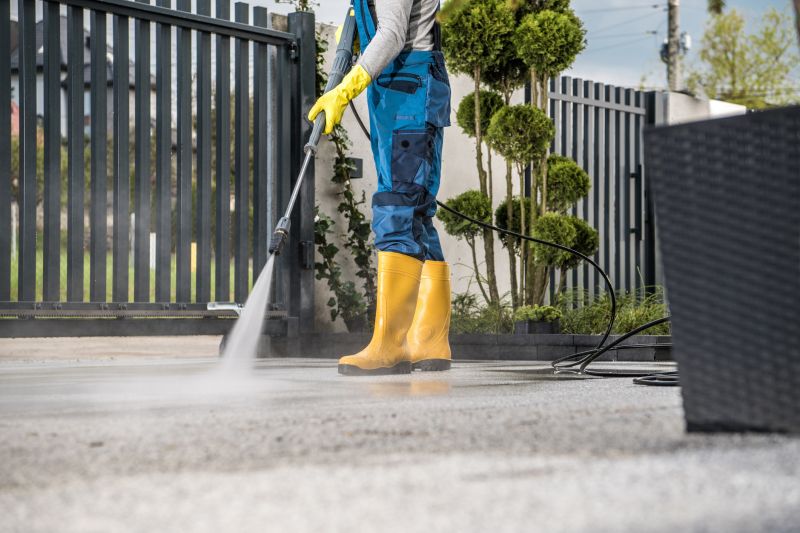
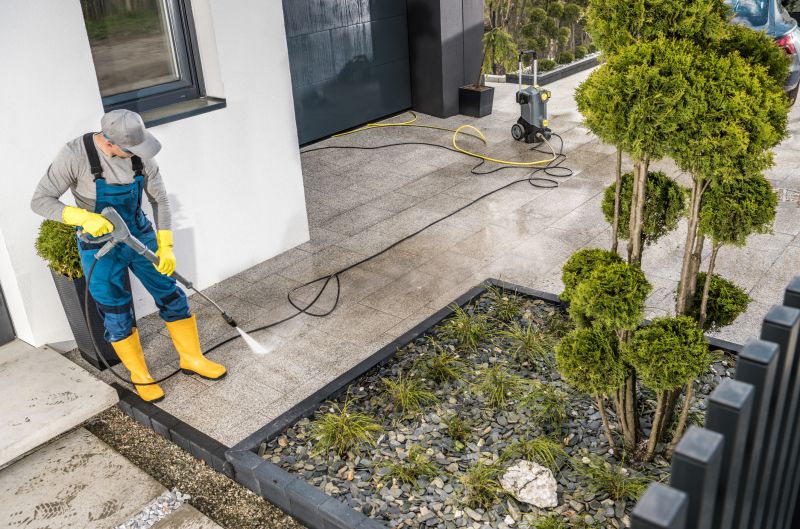
This scope builder helps compare residential powerwashing contractors by clarifying work details, experience, and written expectations.
- Scope Definition - Clearly outline the specific areas and surfaces to be power washed to ensure mutual understanding.
- Surface Preparation - Identify necessary pre-cleaning steps or protective measures to safeguard property during the power washing process.
- Cleaning Methods - Specify the techniques, equipment, and cleaning agents that will be used by local contractors.
- Damage Prevention - Establish procedures to prevent damage to property, fixtures, and surrounding landscape during power washing.
- Post-Job Cleanup - Define expectations for cleanup and debris removal after the power washing is completed.
When evaluating contractors for residential powerwashing, it is important to consider their experience with similar projects. Homeowners should inquire about the types of properties the service providers have worked on and whether they have handled projects comparable in size and scope. A contractor with a proven track record in residential powerwashing can demonstrate familiarity with different surfaces and materials, helping to ensure the work is completed effectively and safely. Verifying the contractor’s history with similar projects provides insight into their expertise and helps establish confidence in their capabilities.
A clear, written scope of work is essential for setting expectations and avoiding misunderstandings. Homeowners should seek detailed descriptions of the services included, such as specific areas to be cleaned, methods used, and any surface treatments involved. A well-defined scope helps ensure that both parties are aligned on what will be done and provides a basis for evaluating whether the contractor’s proposal covers all necessary aspects of the project. Having this information in writing also serves as a reference point throughout the project, reducing the risk of surprises or omissions.
Verification basics involve confirming that a contractor has the necessary experience and a solid reputation within the community. Homeowners can ask for references or reviews from previous clients who had similar work done. Checking local directories, online review platforms, or community recommendations can provide additional insights into the contractor’s reliability and quality of work. It is also helpful to verify that the contractor is insured or bonded, if applicable, and to ensure they follow standard safety practices, even if licensing or certification are not explicitly required.
When comparing options, homeowners should focus on the contractor’s experience, the clarity of their scope, and their reputation for quality. It is beneficial to ask potential service providers about their approach to powerwashing and how they handle specific surface concerns. Reviewing written proposals carefully and asking clarifying questions can help determine if a contractor’s methods align with the homeowner’s expectations. By considering these factors, homeowners can make informed decisions and select local service providers who are well-equipped to handle their residential powerwashing needs effectively.
Request written scope details to clearly compare services, verify experience, and set accurate expectations with contractors.
- Experience and Expertise - What specific experience do local contractors have with residential powerwashing projects similar to yours?
- Scope of Services - How do contractors define the scope of work to ensure all cleaning needs are covered?
- Equipment and Techniques - What types of equipment and cleaning methods do service providers use to achieve quality results?
- Scope Clarity in Writing - Are the details of the work scope documented clearly in a written agreement?
- Additional Services and Customization - Can contractors customize their services to meet your specific residential cleaning requirements?
What should I consider when choosing a residential powerwashing contractor? It’s important to compare the experience, reputation, and scope of services offered by different local contractors. Verifying their background and understanding what work will be performed can help ensure the job meets expectations.
How can I define the scope of powerwashing services needed? Clearly outline the areas to be cleaned, the type of surfaces involved, and any specific concerns or requirements. Communicating these details in writing helps contractors provide accurate service and avoid misunderstandings.
What questions should I ask a contractor before hiring for powerwashing? Inquire about their experience with similar projects, the methods and equipment they use, and how they handle different surface types. Confirm that they can address any specific cleaning needs you have.
Why is it important to get the scope of work in writing? Having a written agreement clarifies what work will be performed, sets expectations, and provides a reference in case of discrepancies. It helps ensure both parties are aligned on the project details.
How can I verify a contractor’s experience with residential powerwashing? Ask for references or examples of previous work, and check their reputation through reviews or local directories. Confirm that they have experience with the specific surfaces and cleaning techniques required.
What should I do to compare different powerwashing contractors effectively? Review their scope of services, experience, reputation, and written estimates. Comparing these factors helps identify the service providers that best meet the project’s needs and expectations.
This page has highlighted key steps to find reliable contractors for residential powerwashing, including how to clearly define the scope of work, verify the experience of service providers, and set expectations in writing. By understanding these essentials, homeowners can make more informed comparisons among local contractors and choose the best option for their needs.
To explore local service providers, use the quote form to compare options and connect with contractors who can handle the job. Taking the time to gather information and ask questions helps ensure that the chosen professional aligns with your project requirements and expectations.